The Short Answer
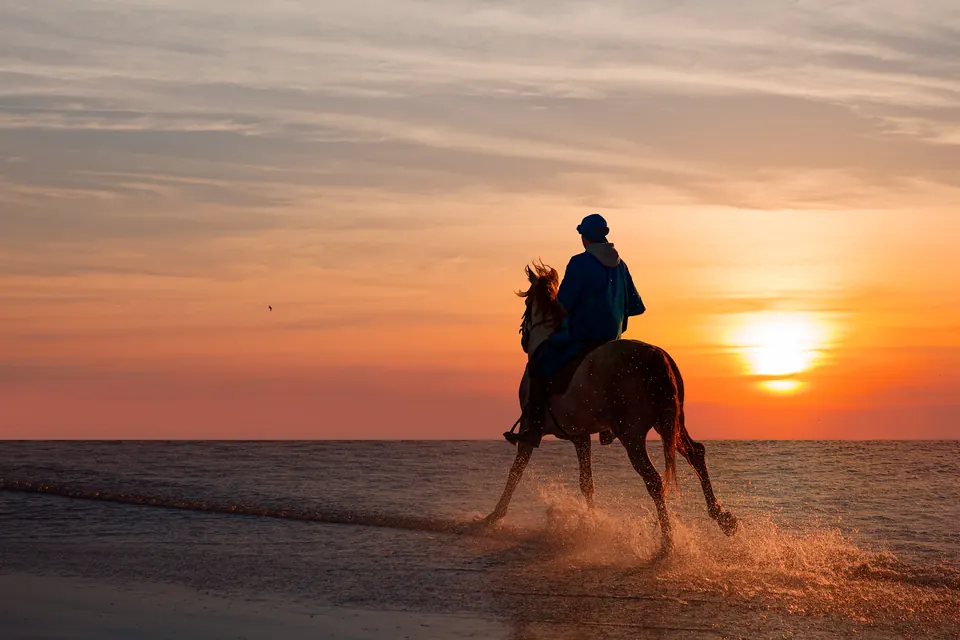
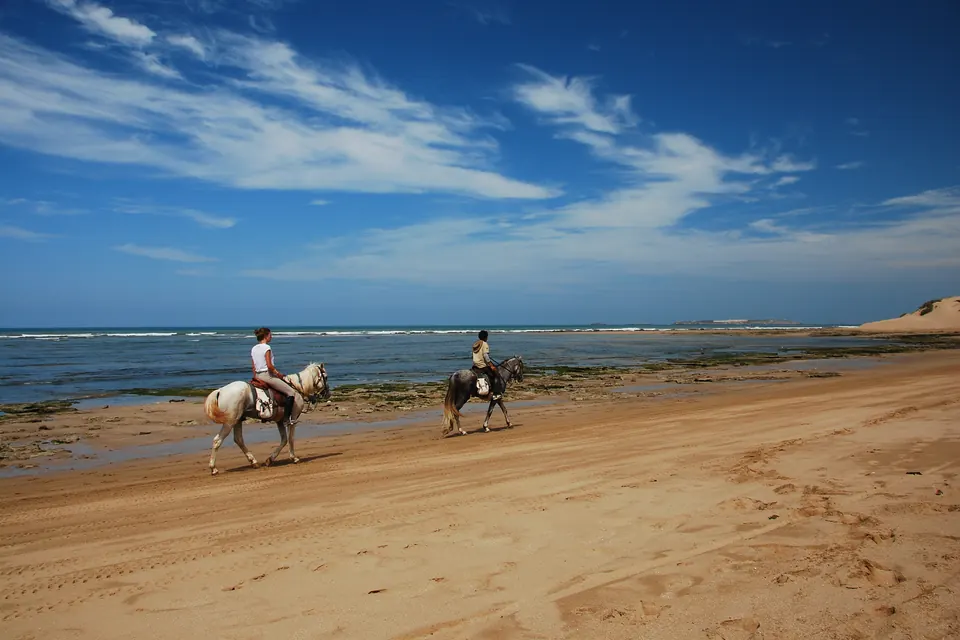
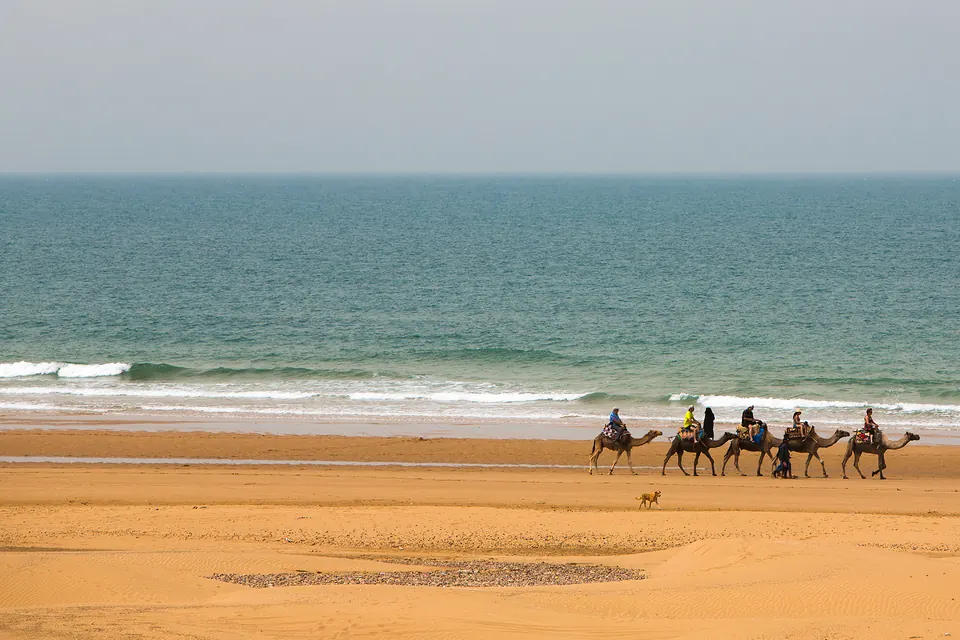
Choose a camel ride if you want something calm and easy, with no riding skills needed. Choose a horse ride if you want to steer yourself, or if you are an experienced rider who would like to trot or canter on the sand.
Side by Side
| Camel ride | Horse ride | |
|---|---|---|
| Pace | Walking pace | Walk to canter, depending on level |
| Who controls | A guide leads the camel | You ride, with a guide |
| Experience needed | None | None for a walk; experience for faster rides |
| Good for | Families, older travellers, relaxed outings | Active travellers, riders |
| Trickiest part | Getting on and off | Matching the horse to your level |
Comfort
Camels sway from side to side. It feels strange at first, but most people relax after a few minutes. The moment the camel stands up or kneels is the bumpiest part. Horses move more, especially when trotting, and longer rides can make your legs tired if you do not ride often. Tell the provider if you have back or hip problems.
How to Prepare
- Wear long trousers and closed shoes for both.
- Ask for a helmet for horse riding.
- Bring sun cream, sunglasses and water.
- Tell the provider your honest level and any health problems.
- Plan around the tide: rides on the shore are best at low tide.
Safety
For camels, hold on firmly when the animal kneels and stands, and never stand behind it. For horses, follow your guide, keep a safe distance from other horses and do not go faster than you feel comfortable. Small children usually ride camels with an adult and horses only at a walk with the guide close by.
Animal Welfare
Whichever you choose, look for healthy animals that are not too thin, saddles that fit, shade and water between rides, and guides who do not push the animals too hard. If something does not feel right, choose another ride and tell us. We use this feedback when choosing providers.
Ready to Choose?
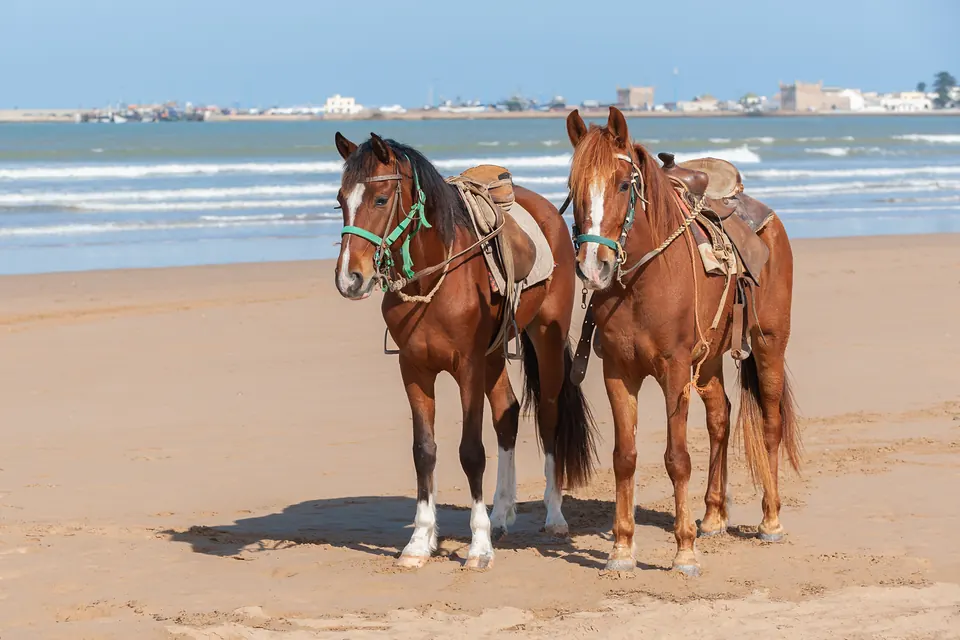
Read more on the horse riding and camel riding pages, where you can see the options and ask us about availability.